



When we talk about sustainability in the professional cleaning sector, our thoughts often turn to water consumption, energy efficiency or the use of recycled materials. These are all important aspects, but they represent only part of the picture.
In fact, there is an even simpler – and, at the same time, more effective – principle: the most sustainable machine is the one that does not need to be replaced after just a few years.
Designing a product that is built to last, is easily repairable and supported by the availability of spare parts means reducing the consumption of raw materials, limiting waste production and decreasing the environmental impact throughout its entire life cycle.
For this reason, repairability is now one of the most tangible aspects of sustainability.
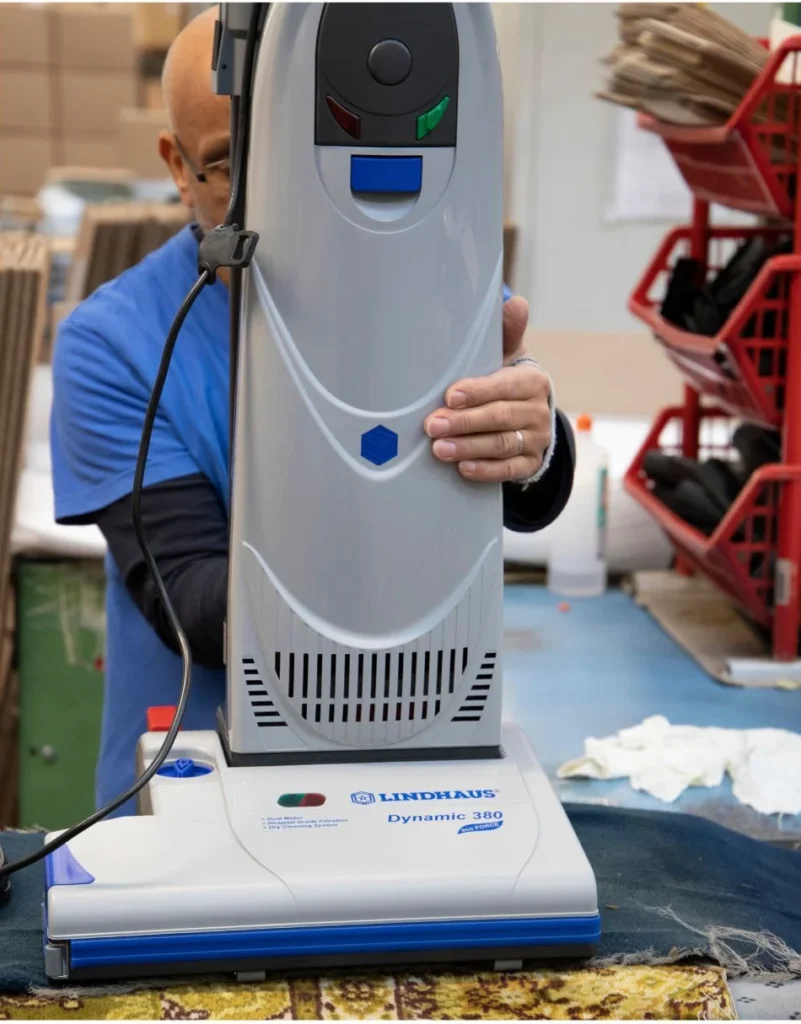
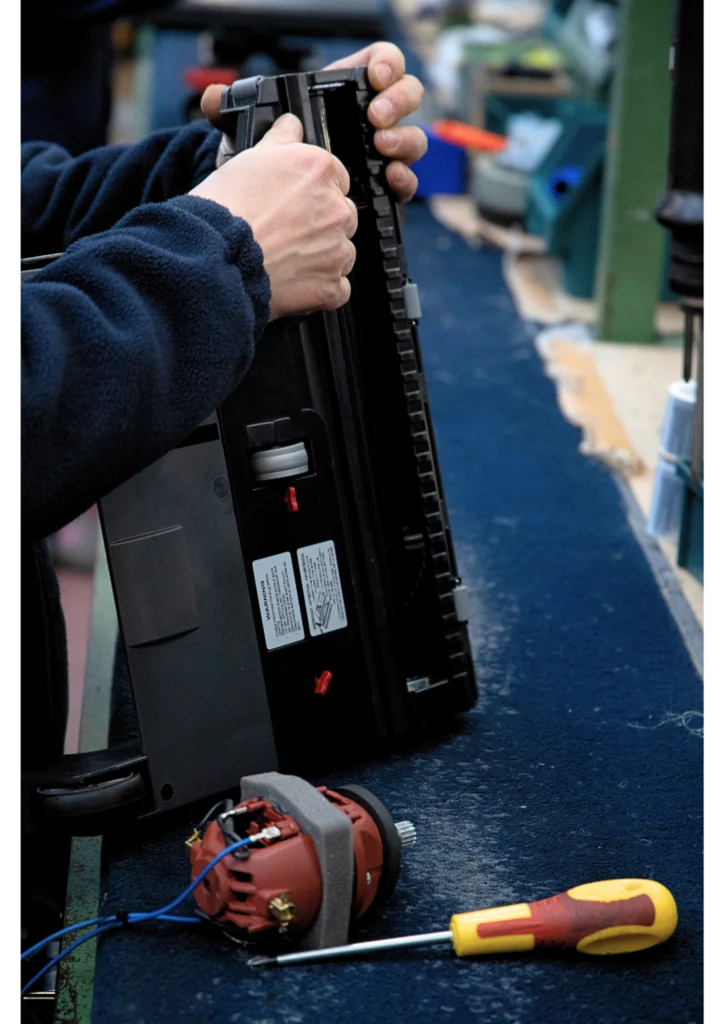
Sustainability is not measured solely by consumption
In recent years, attention has focused primarily on reducing the consumption of water, detergent and energy.
These are fundamental aspects, but a machine that consumes little yet is replaced after just a few years still generates a significant environmental impact.
In fact, every new machine requires:
- extraction of raw materials
- manufacture of components
- transport
- packaging
- disposal of the previous machine
Extending a product’s useful life means reducing the need to repeat this process.
The life cycle is the true indicator of sustainability
In the professional cleaning sector, a machine is used on a daily basis, often for many hours a day.
Sustainability does not depend solely on how it operates, but on how long it continues to operate efficiently.
A machine designed to be maintained and repaired can remain operational for many years, drastically reducing overall resource consumption.
Repair rather than replace
For many years, the market has favoured a ‘replace quickly’ approach.
Today, the trend is changing.
More and more companies are choosing equipment that can be:
- easily repaired
- upgraded when necessary
- maintained over time
- supported by readily available spare parts
This philosophy helps to reduce both operating costs and environmental impact.
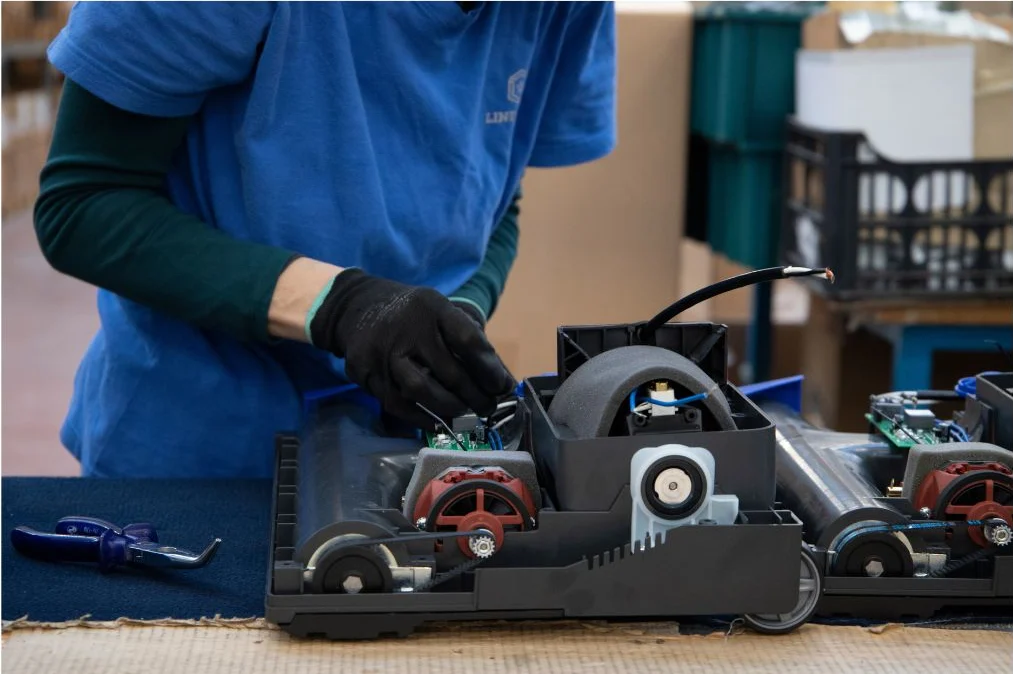
The availability of spare parts makes all the difference
A machine is truly sustainable when it can continue to operate even after many years.
For this reason, it is essential that the following are available:
- motors
- electronic circuit boards
- brushes
- seals
- batteries
- mechanical components
The ability to replace a component rather than the entire machine is one of the fundamental principles of the circular economy.
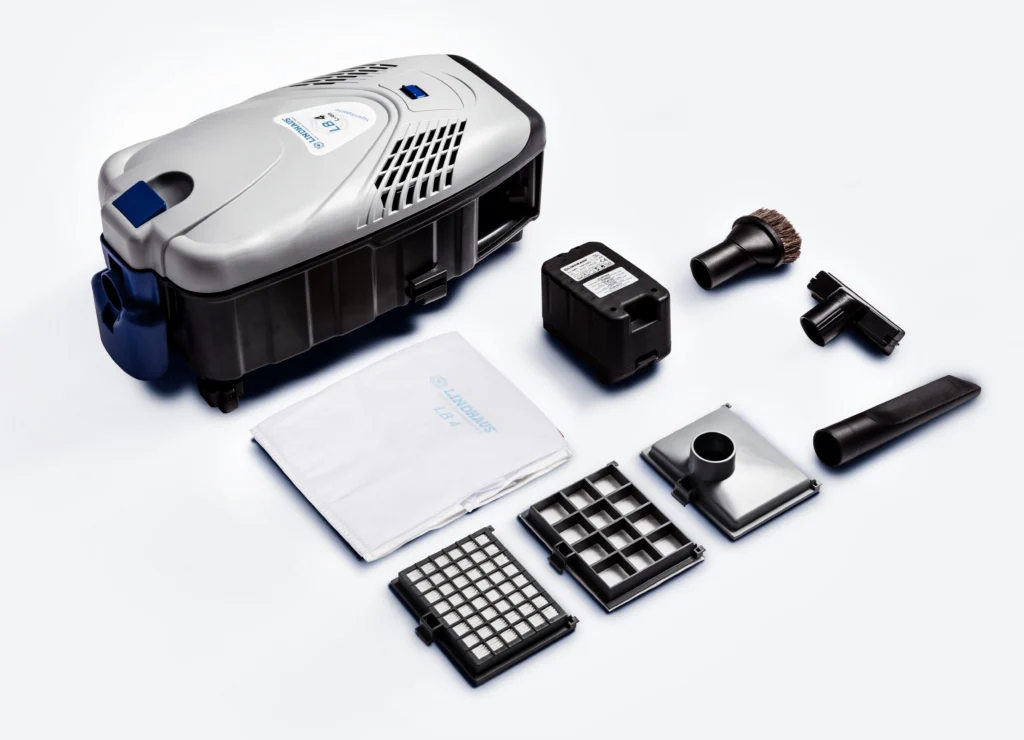
An investment that stands the test of time
In professional cleaning, the purchase price represents only a fraction of the total cost.
It is far more important to consider:
- the machine’s lifespan
- maintenance costs
- support availability
- downtime
- the possibility of carrying out repairs
A reliable and easily maintainable machine can offer a significantly lower total cost of ownership compared to less durable solutions.
Designing with maintenance in mind
Repairability does not happen by chance.
It must be factored in right from the design stage.
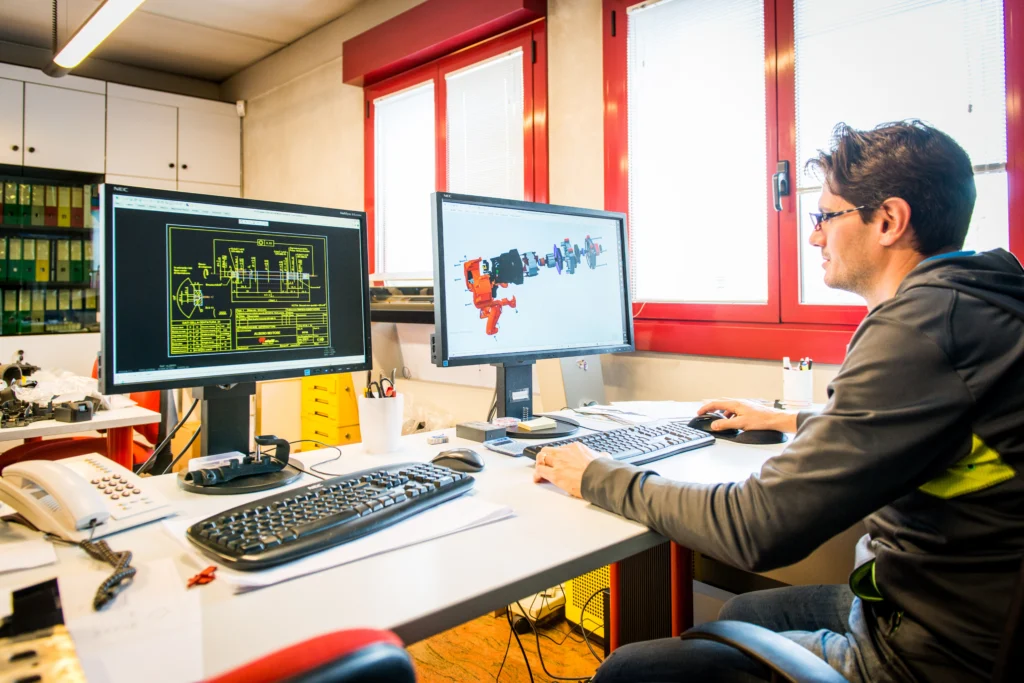
This means developing machines in which the main components are easily accessible, replaceable and designed to be maintained over time.
This approach simplifies the work of technicians, reduces machine downtime and helps to extend the machine’s operational life.
The Lindhaus approach to sustainability
For Lindhaus, sustainability means, first and foremost, designing machines built to last.
Every product is developed with the aim of offering reliability, ease of maintenance and the long-term availability of spare parts. This helps to preserve the machine’s value even after many years of use, avoiding premature replacements and reducing the consumption of resources.
The focus on build quality, repairability and ongoing support represents a design choice that looks beyond the individual purchase, contributing to a more responsible consumption model.
A beneficial choice for businesses too
Choosing a machine designed to last brings tangible benefits:
- lower environmental impact
- reduction in electronic and mechanical waste
- greater operational continuity
- lower replacement costs
- better return on investment
Sustainability, therefore, is not just an environmental responsibility, but also an economically sound choice.
Conclusion
In the professional cleaning sector, sustainability does not depend solely on consumption levels or the latest technologies. Above all, it depends on the ability to design products that continue to do their job year after year.
A machine that can be repaired is not just a machine with a longer lifespan: it is a machine that consumes fewer resources over its lifetime, produces less waste and offers greater value over time.
In a sector increasingly geared towards the circular economy, designing for durability means designing for the future.